

Hastelloy Alloys Top Picks: Explore the Best Corrosion-Resistant High-Performance Alloys
2026-01-24
When it comes to combating corrosion and maintaining peak performance in extreme environments, few materials can match the exceptional capabilities of Hastelloy alloys. These high-performance alloys have become the go-to choice for industries ranging from chemical processing to aerospace, offering unparalleled resistance to harsh conditions. At Jiangsu Baowu New Materials, we specialize in providing top-tier solutions that meet these demanding requirements, ensuring reliability and durability where it matters most. In this blog, we delve into the standout features of Hastelloy alloys, exploring why they are considered the gold standard in corrosion-resistant materials. Discover how Jiangsu Baowu New Materials leverages cutting-edge technology to deliver alloys that not only meet but exceed industry expectations, setting new benchmarks for performance and innovation.
Unveiling the Strength of Hastelloy Alloys for Extreme Environments
In the realm of materials engineering, few alloys rival the resilience of Hastelloy when it comes to thriving in extreme environments. These nickel-based superalloys, developed over decades, are specifically engineered to withstand corrosive chemicals, high temperatures, and abrasive conditions that would degrade conventional metals. Their unique composition, often including molybdenum, chromium, and tungsten, forms a protective oxide layer that resists pitting, cracking, and stress corrosion. This makes them indispensable in industries like chemical processing, aerospace, and nuclear power, where failure is not an option.
One of the standout features of Hastelloy alloys is their versatility across a wide range of harsh settings. For instance, in deep-sea applications, they combat seawater corrosion and high pressures, while in petrochemical plants, they handle aggressive acids like sulfuric and hydrochloric without faltering. Recent advancements have fine-tuned these alloys to perform even in ultra-high-temperature scenarios, such as gas turbine components or space exploration equipment. This adaptability stems from continuous research into microstructure and alloying elements, ensuring each variant is tailored to specific environmental demands.
Beyond mere durability, Hastelloy alloys contribute to sustainability and safety by reducing maintenance needs and preventing catastrophic failures. In real-world use, they extend the lifespan of critical infrastructure, from pipelines in corrosive soils to reactors in chemical synthesis. Their strength isn't just about resistance; it's about enabling innovation in fields pushing the boundaries of technology. By leveraging these alloys, engineers can design systems that operate reliably under conditions once thought impossible, making them a cornerstone of modern industrial progress.
Why Hastelloy Stands Out in Corrosion-Resistant Applications
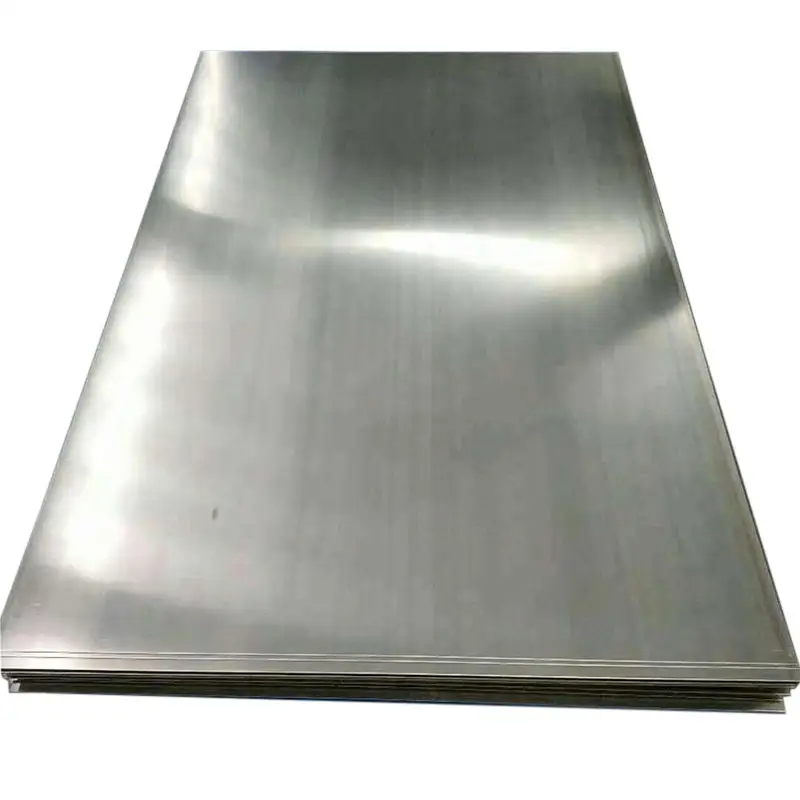
Hastelloy alloys excel in corrosion-resistant applications due to their unique composition, which blends nickel, molybdenum, and chromium to create a robust defense against aggressive chemicals and high temperatures. Unlike many materials that degrade quickly in harsh industrial settings, Hastelloy maintains its integrity, making it a preferred choice in sectors like chemical processing and power generation where reliability is non-negotiable.
What sets it apart is its versatility; these alloys adapt seamlessly to various environments, from oxidizing acids to reducing conditions, showcasing exceptional performance where others might fail. This adaptability stems from precise engineering that balances strength with ductility, ensuring long-term durability without compromising on flexibility during fabrication.
Furthermore, Hastelloy's resistance to localized attacks, such as pitting and crevice corrosion, provides an added advantage in complex systems. Its proven track record in critical applications underscores why it remains a standout option, consistently delivering cost-effective solutions by minimizing maintenance needs and extending equipment lifespans in demanding operations.
Key Grades and Their Unique Properties in Hastelloy Alloys
Hastelloy alloys are recognized for their exceptional corrosion resistance, with different grades tailored to specific industrial demands. For instance, Hastelloy C-276 stands out due to its versatility across harsh environments, including aggressive chemicals and high-temperature processes. This grade maintains stability in both oxidizing and reducing atmospheres, making it a go-to choice for applications like chemical processing equipment and pollution control systems. Its molybdenum content enhances resistance to localized corrosion, such as pitting and crevice attack, which is crucial in chloride-rich settings. Meanwhile, Hastelloy B-3 offers superior resistance to reducing acids like hydrochloric and sulfuric, excelling in pickling operations and acid recovery units where other materials might fail prematurely.
Another notable grade, Hastelloy X, is engineered for high-temperature strength and oxidation resistance up to 1200°C. This alloy combines nickel, chromium, and molybdenum to withstand thermal fatigue and creep in gas turbines and aerospace components. Its unique property lies in maintaining structural integrity under extreme heat, unlike many alternatives that degrade rapidly. In contrast, Hastelloy G-30 provides enhanced resistance to phosphoric acid and other oxidizing media, commonly used in fertilizer production and industrial boilers. By balancing elements like chromium and iron, it resists stress corrosion cracking, a common issue in such environments. These grades showcase how Hastelloy alloys are fine-tuned for niche challenges, from acidic solutions to fiery furnace conditions.
When selecting a Hastelloy alloy, it's essential to match the grade's properties to the operational demands. For example, Hastelloy C-22 offers broad corrosion resistance with lower carbon content, reducing susceptibility to carbide precipitation and extending service life in welding applications. Its adaptability spans pharmaceutical reactors to marine equipment, where saltwater exposure is constant. On the other hand, Hastelloy C-2000 introduces copper additions for improved resistance to sulfuric acid, making it ideal in pulp and paper industries. Each grade's composition—whether emphasizing molybdenum, tungsten, or nickel—creates a distinct advantage, ensuring that Hastelloy remains a reliable solution across diverse sectors from oil and gas to environmental technology.
Real-World Applications of Hastelloy Alloys Across Industries
Hastelloy alloys have carved out a pivotal role in numerous industries thanks to their exceptional corrosion resistance, particularly in harsh environments. In the chemical processing sector, they are indispensable for reactors, heat exchangers, and piping systems that handle aggressive acids like sulfuric and hydrochloric, often preventing costly shutdowns and safety hazards. Over in oil and gas, these alloys tackle everything from deep-sea drilling equipment to refinery components, where high temperatures and corrosive substances like hydrogen sulfide would swiftly degrade lesser materials. Their versatility doesn't stop there—they're also key in pollution control systems, helping scrub harmful emissions efficiently, which underscores their contribution to both industrial productivity and environmental stewardship.
Beyond heavy industry, Hastelloy finds surprising applications in areas like pharmaceuticals and food production, where purity and contamination prevention are non-negotiable. In pharmaceutical manufacturing, it's used in vessels and tubing to ensure no metallic leaching occurs during drug synthesis, maintaining stringent quality standards. Similarly, in the food industry, equipment made from Hastelloy resists corrosion from acidic ingredients, extending shelf life and safeguarding consumer health. Even in aerospace, these alloys play a behind-the-scenes role in engine components and exhaust systems, enduring extreme thermal cycles without faltering. This breadth of use highlights how a single material family can bridge seemingly disparate fields, from lifesaving medicine to cutting-edge flight.
What sets Hastelloy apart isn't just its robustness but its adaptability—engineers often tailor specific grades like C-276 or B-3 to meet unique challenges, such as in marine applications where saltwater corrosion is a constant threat. In desalination plants, for instance, Hastelloy components help convert seawater to fresh water reliably, supporting communities in arid regions. Looking ahead, as industries push toward more sustainable practices, these alloys are poised to enable innovations in renewable energy, like geothermal power systems that leverage corrosive underground fluids. By continuously evolving through ongoing research, Hastelloy remains a go-to solution for the real-world problems that keep industries running smoothly and safely.
Comparing Hastelloy with Other High-Performance Materials
When it comes to evaluating Hastelloy alongside other high-performance materials like Inconel, Titanium, and Duplex Stainless Steels, one can't help but notice its superior corrosion resistance in extremely aggressive environments. While materials such as Inconel excel in high-temperature applications, Hastelloy stands out in scenarios involving hydrochloric acid, sulfuric acid, and other harsh chemicals, making it a go-to choice for industries like chemical processing and pollution control. This distinct edge often translates to longer service life and reduced maintenance costs, factors that savvy engineers weigh carefully when selecting materials for critical components. After all, it's not just about withstanding heat or pressure; it's about surviving the relentless assault of corrosive media where many metals would falter or fail prematurely.
Another key differentiator lies in the mechanical properties and fabrication nuances. Comparing Hastelloy to Titanium, for instance, reveals trade-offs that can sway project decisions. Titanium offers an impressive strength-to-weight ratio and biocompatibility, but Hastelloy counters with better resistance to pitting and crevice corrosion, especially in chloride-rich settings like seawater. In fabrication, Hastelloy alloys such as C-276 are known for their weldability and versatility, though they may require more specialized techniques than some stainless steels. This complexity isn't a drawback—it highlights how tailored solutions can outperform generic options, sparking innovation in fields from aerospace to pharmaceuticals. By understanding these subtleties, one can appreciate why Hastelloy isn't just another metal; it's a strategic asset in designing systems where failure isn't an option.
Tips for Selecting the Right Hastelloy Alloy for Your Project
When choosing a Hastelloy alloy, it's crucial to dig deeper than just the material's name or general reputation. Begin by analyzing the specific environmental conditions your project will face, such as temperature extremes, pressure variations, and exposure to corrosive media like acids, chlorides, or alkalis. For instance, Hastelloy C-276 excels in handling wet chlorine gas and strong oxidizing agents, making it a go-to for chemical processing equipment, whereas Hastelloy B-3 might be better suited for highly reducing environments with sulfuric acid. Don't rely solely on generic charts; instead, consult detailed corrosion data sheets or run small-scale tests if feasible, as real-world factors like impurities or flow rates can significantly impact performance.
Consider the mechanical and fabrication requirements alongside corrosion resistance. Hastelloy alloys vary widely in properties—some, like Hastelloy X, offer excellent high-temperature strength and oxidation resistance for aerospace applications, while others prioritize weldability or formability for complex structures. Assess factors such as tensile strength, ductility, and thermal stability to ensure the alloy can withstand operational stresses without failure. Additionally, factor in lifecycle costs: a higher upfront price for a more durable alloy might save money long-term through reduced maintenance and downtime, especially in harsh industrial settings.
Engage with suppliers and engineers early in the selection process to avoid common pitfalls. Share detailed project specs, including expected service life and regulatory standards, to get tailored recommendations. Remember, Hastelloy isn't a one-size-fits-all solution; for example, Hastelloy C-22 provides superior resistance to pitting and crevice corrosion in mixed acid environments compared to older variants. Stay updated on alloy advancements, as newer grades like Hastelloy HYBRID-BC1 might offer improved performance or cost benefits. Ultimately, a thoughtful, multi-faceted approach ensures you pick an alloy that not only resists corrosion but also aligns with your project's overall goals and constraints.
FAQ
Hastelloy alloys excel due to their exceptional resistance to corrosion, even in harsh environments like chemical processing and marine settings, combined with high strength and durability.
Yes, many Hastelloy alloys maintain their structural integrity and corrosion resistance at elevated temperatures, making them ideal for applications in aerospace and power generation.
Hastelloy alloys typically offer superior corrosion resistance, especially against acidic and chloride-rich environments, whereas stainless steel may degrade faster under similar conditions.
These alloys are widely used in chemical processing, oil and gas, pharmaceuticals, and pollution control systems due to their reliability in corrosive settings.
Yes, variations like Hastelloy C-276 and B-3 differ in composition, with C-276 offering broad corrosion resistance and B-3 optimized for reducing acids, allowing tailored solutions for specific needs.
While low-maintenance, regular inspections for wear or contamination are recommended, along with proper cleaning to prevent buildup that could compromise performance over time.
Conclusion
In the realm of corrosion-resistant high-performance alloys, Hastelloy alloys emerge as top picks for tackling extreme environments where other materials falter. These alloys are engineered to withstand aggressive chemical attacks, high temperatures, and pressures, making them indispensable in industries such as chemical processing, aerospace, and marine engineering. Their standout performance is attributed to a unique composition rich in nickel, molybdenum, and chromium, which grants superior resistance to pitting, crevice corrosion, and stress corrosion cracking. Unlike many alternatives, Hastelloy alloys maintain their integrity in acidic, alkaline, and chloride-rich settings, ensuring reliability in critical applications like reactors, heat exchangers, and pipelines.
Key grades like Hastelloy C-276, B-2, and X offer distinct properties tailored to specific needs, from exceptional resistance to reducing agents to high-temperature stability. When comparing Hastelloy with other materials such as stainless steel or titanium, its ability to handle a broader spectrum of corrosive environments sets it apart. For projects, selecting the right alloy involves considering factors like operating conditions, cost, and fabrication requirements, with real-world applications spanning from pharmaceuticals to oil and gas. By delving into these aspects, this overview highlights why Hastelloy alloys are favored for demanding scenarios, blending durability, versatility, and innovation in material science.
Contact Us
Contact Person: Zoe Liang
Email: [email protected]
Tel/WhatsApp: 86 189 2128 6299
Website: https://www.baowuchina.com