

Are You Choosing the Right OTR Tires for Heavy-Duty Performance?
2026-02-26
When I first started sourcing OTR Tires for large-scale mining and construction projects, I quickly realized how much risk hides behind a simple purchasing decision. Downtime, premature wear, sidewall damage, and inconsistent traction can quietly drain operational budgets. Over the past few years, I’ve seen how manufacturers like JABIL Rubber Co., Ltd. gradually refine their engineering approach, investing in compound innovation and structural optimization to meet real jobsite demands rather than just catalog specifications. That shift changed how I evaluate OTR Tires today.
Why Do So Many Heavy Equipment Operators Struggle with Tire Performance?
I’ve spoken with fleet managers who believed tire failure was inevitable in harsh environments. But in most cases, the root causes were preventable. The wrong tread pattern for terrain, insufficient heat resistance for long-haul loading cycles, or mismatched load ratings often created hidden stress points.
- Unexpected downtime due to sidewall cuts or impact breaks
- Heat buildup during continuous haul cycles
- Uneven wear caused by poor compound balance
- Reduced traction on loose or muddy surfaces
- Higher fuel consumption from rolling resistance
When I shifted my focus from price alone to performance structure, the long-term cost per hour improved significantly. Reliable OTR Tires are not just consumables; they are performance components.
What Makes Modern OTR Tires More Durable in Extreme Conditions?
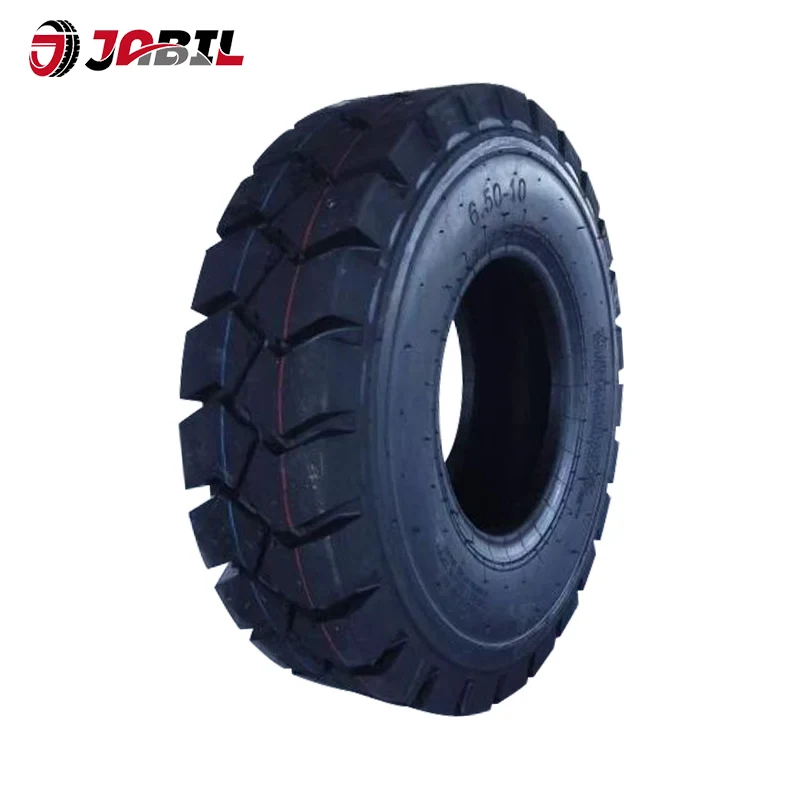
From my experience evaluating product lines, durability starts with three core elements: carcass construction, tread compound formulation, and heat dissipation capacity. High-performance OTR Tires are built with reinforced belt layers and optimized bead structures that distribute stress more evenly under high loads.
Advanced rubber compounds also play a crucial role. A balanced blend improves cut resistance without sacrificing flexibility. I’ve noticed that well-designed tires maintain structural integrity even under repetitive impact from rock surfaces.
| Performance Factor | Operational Benefit | Impact on Cost Efficiency |
| Reinforced Carcass Structure | Improved load distribution | Lower risk of sudden failure |
| Heat-Resistant Compound | Reduced thermal cracking | Longer service life |
| Deep Tread Design | Better traction on loose terrain | Reduced slippage and fuel waste |
| Optimized Sidewall Thickness | Enhanced cut resistance | Lower maintenance downtime |
When I compare tire lifespan across projects, these structural differences consistently explain the gap.
How Do I Match OTR Tires to Different Applications?
Choosing OTR Tires without understanding application specifics is one of the most common mistakes I’ve seen. Mining operations demand high cut resistance, while construction sites often require superior traction and stability.
- Mining Trucks – Focus on heat resistance and deep tread for abrasive rock
- Loaders – Prioritize sidewall strength and impact resistance
- Graders – Look for directional tread patterns for precision control
- Earthmovers – Balance between traction and rolling efficiency
I always start with three questions: What is the terrain? What is the average load per cycle? How long is each operating shift? Clear answers lead to smarter tire selection and measurable ROI improvements.
Can Better OTR Tires Actually Reduce Operating Costs?
Absolutely. When I analyzed lifecycle data across multiple fleets, I noticed that higher-quality OTR Tires often reduced total operational cost by extending replacement intervals and minimizing emergency maintenance.
Cost savings typically appear in:
- Fewer service interruptions
- Reduced labor for tire changes
- Improved fuel efficiency from stable rolling resistance
- Lower risk of equipment damage caused by blowouts
Short-term price comparisons rarely tell the full story. What truly matters is cost per hour of operation. In demanding environments, reliability becomes a financial strategy.
What Should I Look for in a Reliable OTR Tire Supplier?
Product performance alone is not enough. I evaluate suppliers based on manufacturing consistency, technical support, and customization capability. Companies that invest in testing and quality control provide more predictable performance results.
When working with manufacturers such as JABIL Rubber Co., Ltd., I’ve found that transparent production processes and application-specific consultation make a significant difference. Instead of offering a one-size-fits-all product, they analyze workload, environment, and machine type before recommending OTR Tires.
Reliable supply chains also ensure that replacement cycles are uninterrupted, which is critical for large fleets operating on tight schedules.
Are You Ready to Upgrade Your Equipment Performance with the Right OTR Tires?
If you’re experiencing unexpected downtime or rising operational costs, it may be time to reassess your current tire strategy. The right OTR Tires can transform equipment stability, improve safety, and protect your bottom line over the long term.
I encourage you to evaluate your working conditions carefully and partner with a manufacturer that understands real-world demands. If you would like detailed specifications, performance comparisons, or customized recommendations, please contact us today. Leave your inquiry and let’s discuss how the right tire solution can strengthen your operation from the ground up.