

How Does a Truck Engine Automatic Tensioner Improve Belt Drive Performance?
2026-11-10
Article Summary
A truck engine automatic tensioner is designed to maintain appropriate tension in the engine accessory drive belt. By compensating for belt elongation, vibration, and temperature-related changes, it helps reduce slippage, maintain stable accessory operation, and minimize unnecessary belt wear.
This article explains its working principle, major components, common warning signs, inspection procedures, replacement considerations, and purchasing criteria. It also explores how selecting compatible components for HOWO, Shacman, and Weichai engine applications can support reliable truck maintenance and fleet performance.
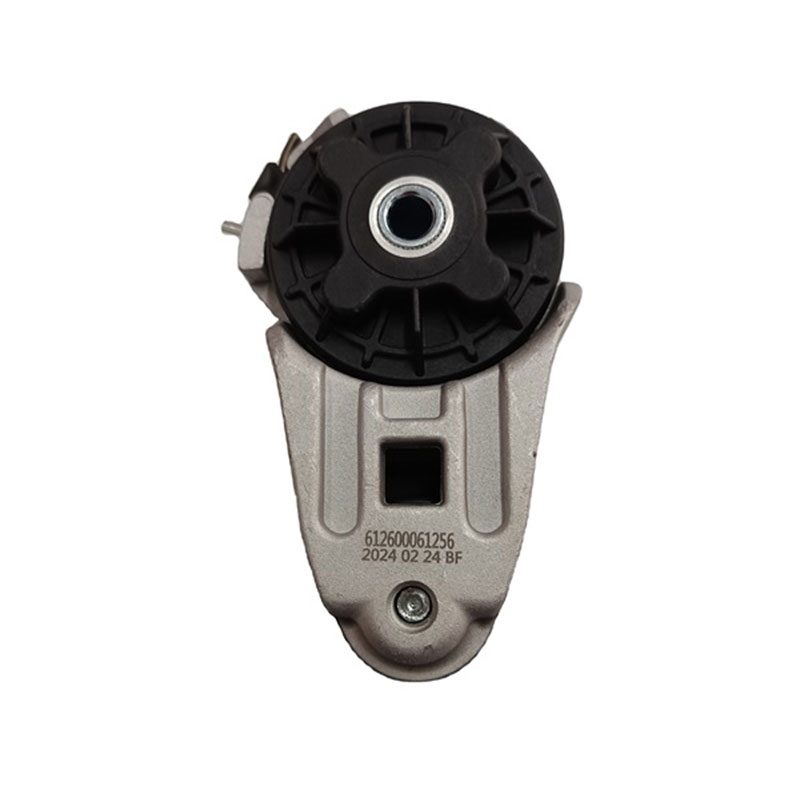
1. What Is a Truck Engine Automatic Tensioner?
A truck engine automatic tensioner is a mechanical component used in an engine accessory belt drive system. Its primary purpose is to maintain appropriate tension on the drive belt while the engine is running. Unlike manually adjusted belt systems, an automatic tensioner continuously responds to changes in belt movement and operating conditions.
Heavy-duty trucks often operate for extended periods under changing engine speeds, loads, and temperatures. During these conditions, the accessory drive belt experiences continuous movement and mechanical stress. Without proper tension control, the belt may become loose, slip across pulley surfaces, or wear unevenly.
The automatic tensioner helps address these problems by applying a controlled force to the belt through a tensioning arm and pulley assembly.
Main Components of an Automatic Tensioner
Although the exact design varies between engine platforms, a typical automatic tensioner includes several important components:
- Tensioner housing: Provides structural support and protects the internal mechanism.
- Tensioner arm: Moves according to changes in belt tension and operating conditions.
- Spring mechanism: Supplies the force needed to maintain belt tension.
- Tensioner pulley: Contacts the belt and helps guide its movement.
- Bearing assembly: Allows the pulley to rotate smoothly while reducing friction.
- Damping mechanism: Helps control excessive arm movement and reduce vibration in designs equipped with damping features.
2. How Does an Automatic Tensioner Work?
An automatic tensioner operates through a combination of spring force, pulley rotation, and mechanical movement. Its purpose is to keep the accessory drive belt within an appropriate tension range without requiring constant manual adjustment.
Step 1: Applying Initial Belt Tension
When the drive belt is installed, the tensioner arm applies force to the belt through its pulley. This creates the initial tension required for stable contact between the belt and the driven pulleys.
Correct initial tension helps the belt transmit rotational power from the crankshaft to engine accessories without excessive slipping.
Step 2: Compensating for Belt Elongation
During long-term operation, drive belts experience material fatigue and gradual changes in their dimensions. An automatic tensioner can move within its designed operating range to compensate for these changes and maintain suitable belt tension.
Step 3: Responding to Engine Vibration
Heavy-duty diesel engines generate vibration and changing rotational loads. These conditions can cause variations in belt tension. The tensioner's spring mechanism and, where fitted, damping features help control the movement of the tensioner arm.
Step 4: Maintaining Stable Accessory Drive
By keeping the belt properly tensioned, the tensioner supports stable power transmission to compatible engine-driven accessories, such as the alternator, water pump, and other belt-driven equipment, depending on the engine design.
3. What Are the Main Functions of a Truck Engine Automatic Tensioner?
Although the automatic tensioner is relatively small compared with major engine assemblies, its influence on the accessory drive system is significant.
3.1 Maintaining Proper Belt Tension
The most important function is maintaining suitable belt tension during operation. Insufficient tension may cause belt slipping, while excessive tension can increase loads on belt and bearing components. Automatic tensioning helps keep the system within its intended operating range.
3.2 Reducing Belt Vibration and Noise
Unstable belt movement may produce squealing, rattling, or other abnormal sounds. A properly functioning tensioner helps control belt movement and reduce unnecessary vibration, contributing to smoother accessory drive operation.
3.3 Minimizing Premature Belt Wear
Improper tension can accelerate belt deterioration. By maintaining suitable contact with the pulleys, the tensioner helps reduce problems associated with slipping, excessive movement, and uneven wear.
3.4 Supporting Accessory Performance
Engine accessories rely on effective belt power transmission. A stable tensioning system helps these components receive consistent mechanical drive, supporting dependable operation of the electrical charging system, cooling system, and other belt-driven equipment where applicable.
3.5 Reducing Unplanned Maintenance
For commercial truck fleets, unexpected breakdowns can result in delivery delays, repair expenses, and reduced vehicle availability. Maintaining the belt drive system in good condition helps reduce avoidable maintenance interruptions.
| Function | Technical Benefit | Practical Value |
|---|---|---|
| Automatic tension control | Maintains suitable belt tension | Reduces slipping risks |
| Vibration management | Controls excessive belt movement | Supports smoother operation |
| Belt wear reduction | Promotes more consistent belt contact | Helps extend belt service life |
| Accessory drive stability | Supports reliable power transmission | Improves operational reliability |
| Reduced maintenance interruptions | Helps prevent avoidable belt system problems | Supports fleet availability |
4. What Are the Common Signs of Tensioner Failure?
An automatic tensioner may gradually lose performance because of spring fatigue, bearing wear, internal damage, or prolonged exposure to demanding operating conditions. Recognizing early warning signs can help prevent more serious accessory drive problems.
4.1 Unusual Squealing or Grinding Noise
A squealing sound from the front of the engine may indicate belt slipping, incorrect tension, contamination, or pulley misalignment. Grinding or rough rotational noise may suggest bearing damage.
However, these symptoms do not automatically confirm tensioner failure. The drive belt, idler pulleys, accessory bearings, and alignment should also be inspected.
4.2 Excessive Tensioner Arm Movement
Visible excessive movement or repeated oscillation of the tensioner arm may indicate a worn damping mechanism, an unstable belt, or another issue within the accessory drive system.
4.3 Uneven or Premature Belt Wear
If the belt shows unusual edge wear, damaged ribs, glazing, or repeated slipping, the tensioner should be checked alongside the pulleys and belt alignment.
4.4 Visible Tensioner Damage
Cracks in the housing, damaged mounting points, pulley wobbling, corrosion, or signs of grease leakage around a sealed bearing can indicate that the assembly needs further inspection.
4.5 Charging or Cooling System Problems
In engine designs where the alternator or water pump is driven by the accessory belt, belt slipping or loss of drive can affect charging or cooling performance. Warning lights, unusual engine temperatures, or electrical problems should therefore be investigated promptly.
5. How Can You Inspect a Truck Engine Automatic Tensioner?
Regular inspection helps identify abnormal wear before it develops into a more serious mechanical problem. The exact inspection procedure should follow the vehicle manufacturer's service documentation.
Step 1: Check the Drive Belt Condition
With the engine switched off and secured against accidental starting, inspect the belt for:
- Cracks, splits, or missing rib sections.
- Glazed or unusually shiny contact surfaces.
- Frayed edges and uneven wear patterns.
- Oil, coolant, or other fluid contamination.
- Visible damage or incorrect belt positioning.
Step 2: Examine the Tensioner Assembly
Check the housing, mounting bolts, tensioner arm, and pulley for visible damage. Look for corrosion, cracks, loose fasteners, and signs of abnormal movement.
Step 3: Check Pulley Rotation
Where the manufacturer's procedure permits, rotate the pulley by hand after ensuring the engine is completely stopped and the belt has been safely removed. Check for roughness, binding, unusual noise, or excessive play.
Step 4: Evaluate Tensioner Movement
Use the appropriate tool and follow the specified service procedure to assess whether the tensioner arm moves smoothly through its intended range and returns correctly. A sticking mechanism or abnormal resistance may indicate internal wear.
Step 5: Check Belt Alignment
Verify that the belt sits correctly on every pulley and that the tensioner mounting surface is secure. Misalignment can cause repeated belt damage even when a new tensioner has been installed.
6. When Should an Automatic Tensioner Be Replaced?
There is no single replacement interval that applies to every truck engine automatic tensioner. Service life depends on engine design, vehicle mileage, working environment, belt condition, maintenance practices, and operating loads.
Rather than relying only on mileage, fleet maintenance teams should consider the actual condition of the component and the manufacturer's recommended inspection schedule.
Common Replacement Conditions
- Damaged spring mechanism: The tensioner cannot maintain the required belt tension.
- Worn pulley bearing: The pulley produces grinding noise, rough rotation, or excessive play.
- Abnormal arm movement: The tensioner sticks, fails to return correctly, or moves outside its specified range.
- Structural damage: The housing, mounting bracket, or tensioner arm is cracked or deformed.
- Persistent belt drive problems: Repeated slipping or abnormal belt wear continues after other possible causes have been investigated.
Should You Replace the Belt and Tensioner Together?
Replacing both components may be appropriate when the belt is worn, the tensioner has reached the end of its service life, or the manufacturer's maintenance instructions recommend combined replacement.
However, a relatively new belt does not automatically require replacement just because the tensioner is being changed. The condition of each component should be assessed independently, while considering the labor involved and the recommended maintenance schedule.
7. How Can You Choose the Right Replacement Tensioner?
Selecting a compatible replacement is essential for reliable installation and long-term operation. Even products with similar appearances may have different dimensions, spring characteristics, pulley designs, or mounting configurations.
7.1 Confirm the Original Equipment Number
The OE number is one of the most useful references when identifying a replacement part. Compare the number on the original component with the supplier's product information and confirm any officially recognized replacement or cross-reference numbers.
7.2 Verify the Engine Model
Do not select a tensioner based only on the truck brand or model name. The same truck series may use different engine configurations or accessory drive systems.
For example, buyers sourcing parts for HOWO, Shacman, and Weichai-powered trucks should verify the specific engine model and original component reference before confirming an order.
7.3 Check Dimensions and Mounting Structure
Important specifications include pulley diameter, mounting hole positions, bracket configuration, overall dimensions, and belt contact design. These details help prevent installation difficulties and alignment problems.
7.4 Evaluate Material and Manufacturing Quality
Material strength, bearing quality, spring consistency, surface treatment, and assembly precision all influence component reliability. Buyers should request relevant product specifications and quality inspection information when evaluating a supplier.
7.5 Consider Working Conditions
Long-distance trucks, mining vehicles, and construction trucks may operate under different temperature, vibration, dust, and load conditions. The replacement component should be suitable for the intended engine application and operating environment.
| Selection Factor | What to Verify | Why It Matters |
|---|---|---|
| OE number | Original and cross-reference numbers | Improves part identification accuracy |
| Engine application | Engine model and configuration | Helps ensure compatibility |
| Dimensions | Pulley size and mounting positions | Prevents fitment issues |
| Material quality | Housing, spring, and bearing specifications | Supports durability |
| Quality control | Inspection and testing procedures | Improves purchasing confidence |
| Supplier service | Technical support and delivery arrangements | Supports long-term sourcing |
8. What Should You Consider During Installation?
Correct installation is just as important as selecting a suitable replacement tensioner. Incorrect installation can damage the new component, create belt alignment problems, and reduce the service life of the entire drive system.
Follow These Important Installation Principles
- Confirm the replacement part: Compare the OE reference, mounting structure, and dimensions with the original component.
- Secure the vehicle: Switch off the engine, allow hot components to cool, and follow the vehicle's safety procedures.
- Record the belt routing: Photograph or document the original belt arrangement before removal.
- Inspect surrounding components: Check the belt, idler pulleys, mounting surfaces, and driven accessories.
- Install according to specifications: Use the correct fasteners, tools, and tightening torque specified by the manufacturer.
- Verify belt positioning: Ensure every belt rib is correctly seated in the corresponding pulley groove.
- Perform a final inspection: Check alignment and tensioner positioning before returning the vehicle to service.
One important point is that the tensioner's spring is preloaded in many designs. Forcing the arm in the wrong direction or disassembling the unit can cause component damage or personal injury. Always use the specified installation method and consult a qualified technician when necessary.
9. How Does Proper Maintenance Reduce Operating Costs?
For commercial truck operators, maintenance decisions directly affect operating efficiency. A relatively small component such as an automatic tensioner can contribute to larger expenses when its failure causes belt damage or accessory drive interruption.
Reduce Unexpected Vehicle Downtime
Preventive inspections help identify abnormal wear before it leads to an unexpected breakdown. This is particularly important for vehicles operating on long-distance routes or in locations where replacement parts and repair services are not readily available.
Protect Related Drive Components
A faulty tensioner may contribute to excessive belt movement, poor alignment, or abnormal loading. Identifying the problem early helps protect the belt and other components within the accessory drive system.
Improve Spare Parts Planning
Fleet managers and distributors can use maintenance records to identify frequently replaced parts and maintain appropriate inventory levels. This reduces the risk of delaying repairs because of unavailable components.
Establish a Practical Maintenance Routine
A useful maintenance program should include:
- Regular inspection of belts and pulleys.
- Monitoring abnormal noise and vibration.
- Recording component replacement history.
- Checking mounting conditions during scheduled service.
- Using compatible replacement parts from reliable suppliers.
- Following the engine manufacturer's maintenance recommendations.
These measures help maintenance teams make decisions based on actual component condition instead of relying on unnecessary replacements or waiting until a complete failure occurs.
10. Why Choose a Reliable Truck Parts Supplier?
Finding the right truck engine automatic tensioner is not only a technical issue. For wholesalers, distributors, repair centers, and fleet operators, supplier reliability also affects purchasing efficiency, inventory management, and after-sales service.
A professional supplier should provide clear product information, accurate part identification, consistent quality control, and responsive communication.
Product Compatibility and Technical Support
Reliable suppliers should help customers verify OE numbers, engine applications, and product specifications before an order is confirmed. This is particularly important when purchasing parts for different truck models or engine platforms.
Consistent Quality Management
Buyers should evaluate manufacturing processes, inspection procedures, material traceability, and product testing. These factors help reduce the risks associated with inconsistent replacement parts.
Flexible Supply Capabilities
Different customers have different sourcing requirements. A distributor may need regular bulk shipments, while a repair center may require a small number of specific components. Flexible ordering and customization support can make cooperation more efficient.
Shandong Shengkunda Import and Export Trading Co., Ltd.
Shandong Shengkunda Import and Export Trading Co., Ltd., operating under the Skyond brand, specializes in heavy-duty truck parts and construction machinery components. With more than 15 years of industry experience, the company serves international customers looking for dependable aftermarket parts and sourcing solutions.
Its product portfolio includes engine parts, belt tensioners, filters, brake pads, shock absorbers, exhaust pipes, and other truck components. The company's truck parts business covers major Sinotruk applications, including HOWO, A7, and T7H series.
According to its company profile, Shengkunda operates manufacturing and warehousing facilities in Jinan, Shandong, supported by engineering and quality control personnel. Its quality management system is certified to ISO/TS 16949, and its supply capabilities support international aftermarket requirements.
For customers sourcing truck engine automatic tensioners, Skyond provides product information for applications involving Shacman, HOWO, and Weichai-powered vehicles. Buyers can refer to the product's OE number and application details, then confirm compatibility against their specific engine configuration before ordering.
In addition to standard truck parts, the company supports OEM and ODM cooperation based on customer drawings, samples, and technical specifications. This can be useful for distributors and wholesalers seeking customized product or packaging solutions.
Learn more about the company: Shandong Shengkunda Import and Export Trading Co., Ltd.
Explore the product: Truck Engine Automatic Tensioner.
11. Frequently Asked Questions
Q1: What is the main purpose of a truck engine automatic tensioner?
Its main purpose is to maintain appropriate tension in the engine accessory drive belt. It compensates for changes caused by belt wear, vibration, and operating temperature, helping reduce slipping and maintain stable accessory operation.
Q2: Can a faulty automatic tensioner cause belt noise?
Yes. A worn spring mechanism, damaged pulley bearing, or unstable tensioner arm can contribute to belt noise. However, worn belts, contamination, misalignment, and accessory bearing problems can produce similar symptoms.
Q3: Does an automatic tensioner need manual adjustment?
Most automatic tensioners regulate belt tension through an internal spring mechanism and do not require routine manual adjustment. Always follow the maintenance instructions for the specific engine application.
Q4: How long does a truck engine automatic tensioner last?
Its service life depends on engine design, operating conditions, belt condition, mileage, and maintenance practices. There is no universal replacement interval. Regular inspections and manufacturer recommendations are the best guides.
Q5: Can I replace the tensioner without replacing the belt?
Yes, if the existing belt is still in good condition and meets the manufacturer's requirements. However, if the belt is cracked, glazed, contaminated, or excessively worn, replacing it at the same time may be appropriate.
Q6: How do I identify the correct automatic tensioner for a HOWO truck?
Start by confirming the engine model, original equipment number, and tensioner dimensions. HOWO trucks may have different engine configurations, so checking the exact application is essential before purchasing.
Q7: Are truck engine automatic tensioners compatible with all Weichai engines?
No. Compatibility depends on the specific engine model, accessory drive layout, OE number, and mounting configuration. Always verify the replacement part against the original component and engine specifications.
Q8: What happens if the automatic tensioner is too loose?
Insufficient belt tension can cause slipping, noise, unstable accessory drive performance, and premature belt wear. In some applications, it may also affect alternator charging or water pump operation.
Q9: What should truck parts distributors check before placing a bulk order?
Distributors should confirm OE numbers, engine compatibility, dimensions, product specifications, quality control procedures, packaging, minimum order quantities, and delivery arrangements. Requesting samples or technical documentation can also help reduce purchasing risks.
Q10: Where can I source a truck engine automatic tensioner?
You can source replacement components from specialized heavy-duty truck parts suppliers. Shandong Shengkunda Import and Export Trading Co., Ltd. offers truck engine automatic tensioner products and other commercial vehicle parts. Contact its team to confirm product specifications and compatibility with your application.
Conclusion
A truck engine automatic tensioner is an essential part of a reliable engine accessory drive system. By maintaining appropriate belt tension, controlling belt movement, and supporting stable power transmission, it helps protect related components and reduce avoidable maintenance problems.
For fleet operators, mechanics, and truck parts distributors, understanding tensioner performance is important when diagnosing belt drive problems and selecting replacement components. Checking OE numbers, verifying engine compatibility, inspecting material quality, and working with an experienced supplier can all contribute to better purchasing decisions.
Whether you are maintaining a HOWO truck, sourcing parts for a Shacman fleet, or purchasing components for Weichai engine applications, choosing the correct automatic tensioner is an important step toward dependable vehicle operation.
Looking for a Reliable Truck Engine Automatic Tensioner Supplier?
Need dependable truck engine automatic tensioners for your wholesale business, repair center, or commercial vehicle fleet? Shandong Shengkunda Import and Export Trading Co., Ltd. provides heavy-duty truck parts sourcing solutions with product compatibility support and OEM/ODM cooperation options.
Contact our team today to discuss your OE number, engine model, product specifications, and bulk purchasing requirements. Let Skyond help you find the right truck parts for your business.
Contact Us