

How Does the WD10G220E23 Turbocharger Improve Engine Performance and Reliability?
2026-11-02
The WD10G220E23 turbocharger is an important engine component designed to support the air intake and combustion process of the WD10G220E23 diesel engine. By using exhaust energy to drive a turbine and compressor, it helps deliver more compressed air into the cylinders, supporting engine power, torque, and combustion efficiency.
For construction machinery owners, equipment maintenance teams, and international spare parts buyers, understanding how this turbocharger works is essential for reducing unexpected downtime and avoiding incorrect replacement purchases. This guide explores its working principles, performance benefits, common failure symptoms, maintenance procedures, and purchasing considerations.
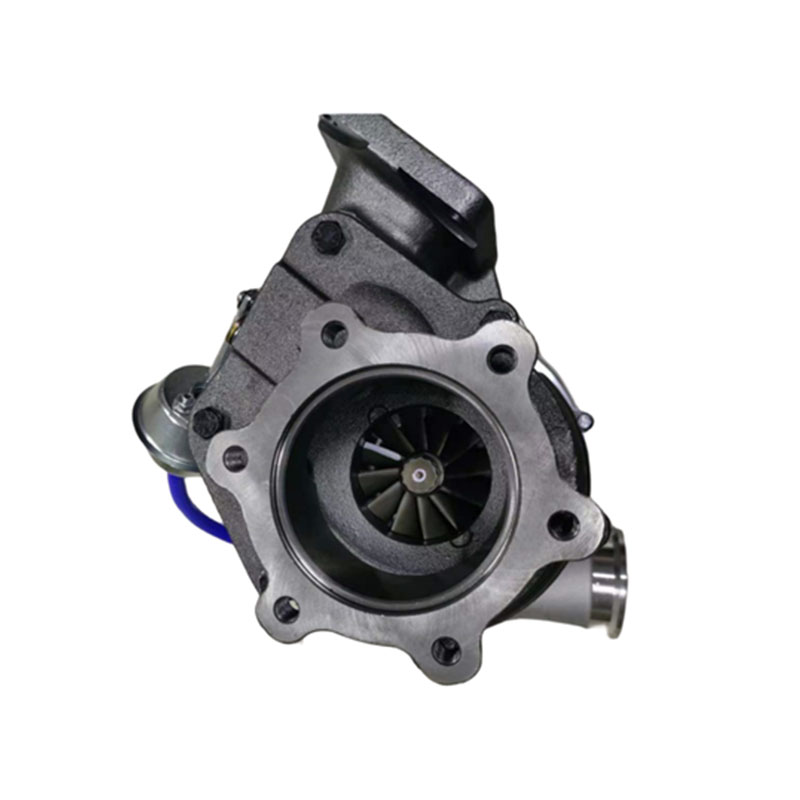
1. Understanding the WD10G220E23 Turbocharger
The turbocharger is one of the key components in a turbocharged diesel engine. Its main purpose is to increase the amount of air entering the combustion chambers. Unlike a naturally aspirated engine, which relies primarily on atmospheric pressure to draw air into its cylinders, a turbocharged engine uses exhaust gas energy to compress incoming air.
The WD10G220E23 is a Weichai WD10-series diesel engine model commonly associated with construction machinery applications. Its turbocharger supports the engine's air supply requirements, helping the engine maintain the power needed for demanding operating conditions.
For equipment operators, a properly functioning turbocharger contributes to stable engine operation. For spare parts distributors and maintenance workshops, selecting the correct turbocharger is equally important because an incompatible component may cause installation difficulties, insufficient boost pressure, oil leakage, or premature failure.
A turbocharger is not an independent power source. It works together with the engine's intake, exhaust, fuel injection, lubrication, and cooling systems. Therefore, turbocharger performance should always be evaluated as part of the complete engine system.
2. WD10G220E23 Engine Specifications and Compatibility
Before purchasing an engine component, buyers should understand the engine platform and its operating characteristics. The WD10G220E23 is a six-cylinder, inline, water-cooled diesel engine used in construction equipment.
| Parameter | Reference Information |
|---|---|
| Engine Model | WD10G220E23 |
| Engine Series | WD10 Series |
| Engine Configuration | 6-Cylinder Inline |
| Displacement | Approximately 9.726 L |
| Bore × Stroke | 126 × 130 mm |
| Aspiration Method | Turbocharged |
| Cooling Method | Water-Cooled |
| Rated Speed | Approximately 2000 rpm |
| Rated Power | Check the engine nameplate and applicable specification |
| Typical Application | Construction Machinery and Wheel Loaders |
These engine details help buyers identify the correct application, but they do not establish the exact turbocharger assembly number. Different production configurations, equipment manufacturers, and engine revisions may use different turbocharger assemblies.
Why Is Engine Model Verification Important?
- Dimensional compatibility: The mounting flange, housing dimensions, and connection positions must match the original installation.
- Airflow requirements: The compressor and turbine characteristics should suit the engine's operating range.
- Oil supply compatibility: The oil inlet and return connections must meet the engine's lubrication requirements.
- Exhaust connection: The turbine housing and exhaust outlet must be suitable for the existing exhaust system.
- Performance matching: The replacement should maintain the intended boost characteristics without creating excessive engine stress.
3. How Does a Turbocharger Work?
The WD10G220E23 turbocharger operates through a relatively simple but highly coordinated energy conversion process. It uses energy from engine exhaust gases to drive a turbine, which is connected to a compressor through a common shaft.
Step 1: Exhaust Gas Drives the Turbine
After combustion, high-temperature exhaust gases leave the engine cylinders and flow into the turbine housing. The gas pressure and flow cause the turbine wheel to rotate at high speed.
Step 2: The Compressor Draws in Fresh Air
The turbine wheel and compressor wheel are connected by a rotating shaft. When the turbine spins, the compressor also rotates, drawing atmospheric air through the air intake system.
Step 3: Incoming Air Is Compressed
The compressor increases the pressure of the incoming air before delivering it to the engine intake system. This allows more oxygen to enter the cylinders during each intake cycle.
Step 4: Improved Combustion Supports Engine Output
With an appropriate quantity of compressed air, the engine can burn injected diesel fuel more effectively. This supports the power and torque required for equipment operations such as lifting, loading, and material handling.
Engine Exhaust Gas → Turbine Rotation → Compressor Rotation → Compressed Intake Air → Improved Combustion Conditions → Engine Power Output
The entire process depends on proper lubrication, effective air filtration, suitable exhaust flow, and correct engine operation. A problem in any of these areas can reduce turbocharger efficiency.
4. Key Performance Benefits of the Turbocharger
For heavy-duty diesel equipment, consistent engine output is essential. The WD10G220E23 turbocharger contributes to the engine's overall performance in several important ways.
Compressed intake air provides more oxygen for combustion, supporting the engine's designed operating performance.
Turbocharging allows the engine to achieve its intended power characteristics within its specified operating range.
The turbocharger recovers part of the energy contained in exhaust gases instead of allowing all of it to pass unused through the exhaust system.
Stable air supply helps construction machinery perform demanding tasks when the engine and other systems are maintained correctly.
Why Does Turbocharger Condition Matter to Equipment Owners?
A damaged turbocharger may reduce available engine power and make machinery less productive. For example, a wheel loader experiencing insufficient boost pressure may struggle during heavy loading operations or require more time to complete normal tasks.
For fleet managers, this can lead to higher operating costs, delayed projects, and additional maintenance expenses. Keeping the turbocharger in good condition is therefore an important part of equipment reliability management.
5. Common Turbocharger Failure Symptoms
Turbocharger problems do not always appear suddenly. In many cases, the engine provides early warning signs that should be investigated before further damage occurs.
| Symptom | Possible Cause | Recommended Inspection |
|---|---|---|
| Reduced Engine Power | Insufficient boost pressure, air leakage, or damaged compressor | Check intake pipes, boost pressure, and turbocharger condition |
| Black Exhaust Smoke | Insufficient air supply or excessive fuel delivery | Inspect air filters, intake leaks, and fuel injection system |
| Blue Exhaust Smoke | Possible engine oil entering the combustion or exhaust system | Check turbocharger oil seals, oil return, and engine condition |
| Unusual Whining Noise | Air leakage, wheel damage, or bearing problems | Inspect compressor, turbine, and intake connections |
| Excessive Oil Consumption | Oil leakage, blocked oil return, or internal engine wear | Check lubrication pipes and crankcase ventilation |
| Unstable Engine Performance | Boost fluctuations or related fuel and air system problems | Inspect the complete intake and fuel systems |
It is important to remember that these symptoms are not exclusive to turbocharger failures. A clogged air filter, faulty injector, damaged exhaust manifold, or low engine compression can produce similar problems.
6. How to Troubleshoot Turbocharger Problems
When a WD10G220E23 engine experiences abnormal performance, a systematic inspection can help maintenance personnel identify the actual problem and avoid replacing expensive parts unnecessarily.
Inspect the air filter for dust accumulation, blockage, or physical damage. A restricted filter reduces the amount of air entering the compressor and can affect engine performance.
Check hoses, clamps, pipes, and connection points for looseness, cracks, or leakage. Air escaping from the pressurized intake system can reduce boost pressure.
Verify that the engine oil level and oil condition meet the manufacturer's requirements. Inspect the turbocharger oil supply and return lines for blockage, leakage, or damage.
With the engine stopped and cooled, a qualified technician should inspect the compressor and turbine wheels for visible damage, foreign objects, abnormal contact marks, and excessive shaft movement.
Use appropriate diagnostic equipment to compare actual boost pressure with the specifications for the particular engine configuration. Avoid relying on assumptions or values from a different WD10 variant.
If the turbocharger appears normal, investigate fuel injection, exhaust restrictions, engine compression, and other possible sources of poor performance.
Following these steps helps distinguish a genuine turbocharger defect from problems elsewhere in the engine system. Accurate diagnosis also helps reduce unnecessary replacement costs.
7. Essential Maintenance Practices
Correct maintenance is one of the most effective ways to extend turbocharger service life. Because turbocharger components rotate at extremely high speeds and operate under high temperatures, even small lubrication or contamination problems can have serious consequences.
Maintain Clean Engine Oil
Engine oil lubricates and helps cool the turbocharger's bearing system. Always use oil that meets the engine manufacturer's specifications and replace it at the recommended service intervals.
Replace Air Filters on Time
Dust and abrasive particles entering the compressor can damage the compressor blades. Regular air filter inspection is especially important for loaders and other machines working in dusty environments.
Protect the Oil Supply System
Ensure that the oil inlet and return lines remain clean and unobstructed. Restricted oil flow can cause excessive bearing temperatures, abnormal wear, and premature turbocharger failure.
Avoid Sudden Shutdown After Heavy Operation
After prolonged heavy-load operation, follow the engine manufacturer's recommended unloading and shutdown procedure. Allowing the engine to return to an appropriate operating condition before shutdown can help reduce thermal stress.
Inspect Connections Regularly
Loose clamps, cracked hoses, damaged gaskets, and exhaust leaks can affect turbocharger operation. Include these components in routine equipment inspections.
- Check engine oil level and condition.
- Inspect air filters and intake pipes.
- Check turbocharger oil supply and return connections.
- Look for oil leaks around the turbocharger.
- Listen for abnormal operating noises.
- Inspect exhaust pipes and mounting connections.
- Record unusual smoke, power loss, and oil consumption.
8. When Should You Replace the Turbocharger?
Not every turbocharger problem requires complete replacement. Some issues may be resolved by correcting oil supply restrictions, replacing damaged hoses, cleaning the intake system, or repairing related components.
However, replacement may be necessary when the turbocharger has severe internal damage or cannot meet the required operating specifications.
Situations That May Require Replacement
- Compressor or turbine blades are cracked, broken, or severely damaged.
- The rotating assembly has excessive wear or abnormal shaft movement.
- The turbocharger housing has cracks or serious structural damage.
- Internal damage causes persistent oil leakage after related lubrication problems have been ruled out.
- The turbocharger cannot achieve the specified performance despite correcting external system problems.
Why Should You Avoid Delaying Necessary Replacement?
Continuing to operate an engine with a severely damaged turbocharger may cause further problems. Loose internal components or foreign material can enter the intake or exhaust system. In serious cases, oil entering the engine intake can also create additional engine risks.
When severe damage is suspected, stop operating the equipment and arrange a professional inspection. Corrective action at an early stage can help prevent more extensive engine repairs.
9. How to Choose the Right Replacement Turbocharger
For international buyers, choosing a replacement turbocharger involves more than searching by engine model. Compatibility, product condition, supplier reliability, and delivery arrangements all influence the final purchasing decision.
1. Confirm the Original Part Number
Request the identification number from the existing turbocharger. Compare it with the replacement product documentation and supplier information. This is one of the most important steps for avoiding incorrect orders.
2. Provide the Complete Engine Model
Give the supplier the full WD10G220E23 engine model rather than simply describing the product as a WD10 turbocharger. Include the engine serial number when available.
3. Compare Physical Installation Details
Confirm the following details before purchase:
- Exhaust inlet and outlet flange dimensions.
- Compressor inlet and outlet dimensions.
- Oil inlet and oil return positions.
- Mounting hole positions and housing orientation.
- Actuator or control configuration, if applicable.
4. Ask About Product Quality and Inspection
Request clear product photographs, identification plate information, and available inspection documentation. Ask whether the turbocharger has undergone checks for rotor balance, bearing condition, and leakage, where applicable.
5. Evaluate Packaging and Shipping
Turbochargers contain precision rotating components that need appropriate protection during transportation. Confirm that the product is securely packaged, protected from moisture, and accompanied by the necessary identification and shipping documents.
| Purchasing Item | Questions to Ask the Supplier |
|---|---|
| Compatibility | Does the part match my original turbocharger number? |
| Product Condition | Is it new, remanufactured, or used? |
| Quality Inspection | What inspection procedures are available? |
| Warranty | What warranty terms and after-sales support are provided? |
| Delivery | What are the lead time and shipping options? |
| Documentation | Can you provide product identification and relevant technical information? |
Providing complete engine information before requesting a quotation allows suppliers to check compatibility more efficiently and helps buyers avoid delays caused by incorrect parts.
10. Why Choose a Reliable Engine Component Supplier?
In the international construction machinery spare parts market, buyers need more than a competitive quotation. They need a supplier who understands engine applications, provides accurate product information, and communicates clearly throughout the purchasing process.
Shandong Shengkunda Import and Export Trading Co., Ltd. focuses on providing engine components and related spare parts for international customers. When sourcing a WD10G220E23 turbocharger or other diesel engine components, buyers should prioritize accurate model matching and transparent product information.
What Should Buyers Expect From a Professional Supplier?
- Application support: Assistance with checking engine models and component compatibility.
- Product identification: Clear part numbers, product photographs, and available technical details.
- Quality communication: Information about product condition and inspection procedures.
- International service: Responsive communication for overseas inquiries and purchasing arrangements.
- Order coordination: Clear information about quotations, packaging, shipping, and after-sales support.
For distributors, repair workshops, construction machinery operators, and spare parts wholesalers, working with a dependable supplier can simplify sourcing and improve maintenance planning.
11. Frequently Asked Questions
Q1. What is the function of the WD10G220E23 turbocharger?
The turbocharger uses engine exhaust gas energy to compress incoming air. This increases the amount of oxygen available for combustion and supports the engine's designed power and torque output.
Q2. Which engine uses the WD10G220E23 turbocharger?
The component is associated with the Weichai WD10G220E23 diesel engine application. However, buyers should verify the original turbocharger part number and engine configuration before purchasing a replacement.
Q3. What are the common signs of a damaged turbocharger?
Common warning signs include reduced engine power, abnormal whining noises, excessive oil consumption, unusual exhaust smoke, and unstable boost pressure. These symptoms should be investigated to identify the actual cause.
Q4. Can a turbocharger problem cause black smoke?
Yes. Insufficient compressed air may result in an unfavorable air-fuel ratio and incomplete combustion, contributing to black smoke. However, fuel injection problems and restricted air filters can produce similar symptoms.
Q5. How can I extend the service life of a diesel engine turbocharger?
Use the recommended engine oil, maintain clean air filters, keep lubrication lines unobstructed, inspect intake and exhaust connections, and follow the engine manufacturer's operating and maintenance instructions.
Q6. Is the WD10G220E23 turbocharger interchangeable with other WD10 models?
Not necessarily. Different WD10 engine variants may have different turbocharger configurations. Check the original part number, mounting dimensions, oil connections, and technical specifications before selecting an alternative.
Q7. What information should I provide when requesting a turbocharger quotation?
Provide the complete engine model, engine serial number, original turbocharger part number, identification plate photograph, equipment model, and required quantity. These details help the supplier verify the correct application.
Q8. Can I continue operating the engine if the turbocharger makes unusual noises?
Do not ignore unusual turbocharger noises. Stop the engine if there are signs of severe mechanical damage, oil leakage, or abnormal smoke. Arrange an inspection by a qualified technician before restarting the equipment.
Q9. Why is turbocharger lubrication important?
Lubricating oil forms a protective film around the turbocharger bearing system and helps control operating temperatures. Insufficient or contaminated oil can cause bearing wear, excessive heat, and premature failure.
Q10. What should I check before installing a replacement turbocharger?
Verify part compatibility, inspect the intake and exhaust systems, clean any contamination, check the oil supply and return lines, replace required gaskets, and follow the manufacturer's installation and pre-lubrication instructions.
Looking for a WD10G220E23 Turbocharger?
Choosing the correct engine component is essential for maintaining equipment performance and minimizing unexpected downtime. Whether you are an engine parts distributor, construction machinery dealer, repair workshop, or bulk buyer, Shandong Shengkunda Import and Export Trading Co., Ltd. is ready to assist with your spare parts sourcing requirements.
Contact us today with your engine model, original part number, or product photographs. Our team can help you check product compatibility, discuss available options, and obtain a quotation for your requirements.
Contact Us for More InformationNote: Engine specifications and component compatibility should be confirmed against the actual engine nameplate, original turbocharger identification, and applicable manufacturer's technical documentation. Product configurations may vary by production version and equipment application.